31. 10. 2025


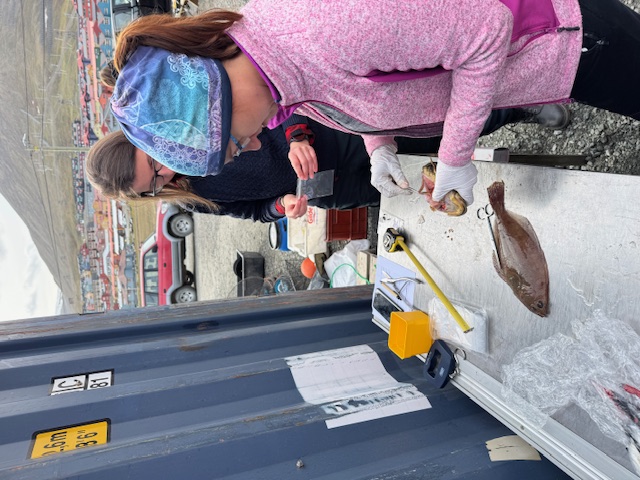
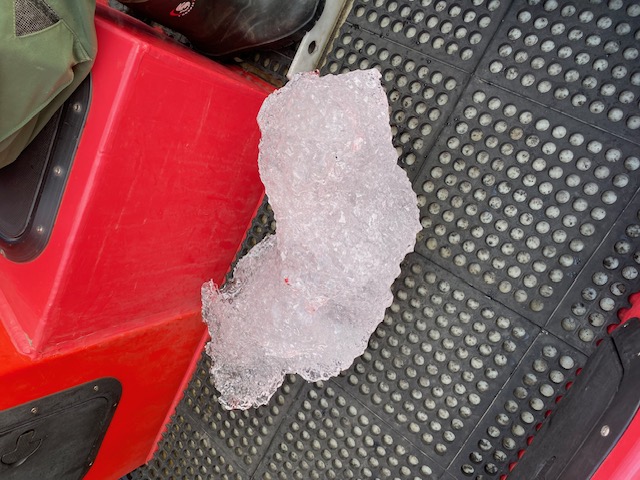
Jaroslav Semerád and other colleagues from IMIC, Laboratory of Environmental Biotechnology, together with a team led by geochemist Michael Komárek from Faculty of Environmental Sciences at Czech University of Life Sciences Prague, visited Svalbard. The aim of the fieldwork in the Arctic region was to collect samples of fish, zooplankton, water, and sediments, which will be further tested for the presence of poly- and perfluorinated substances.

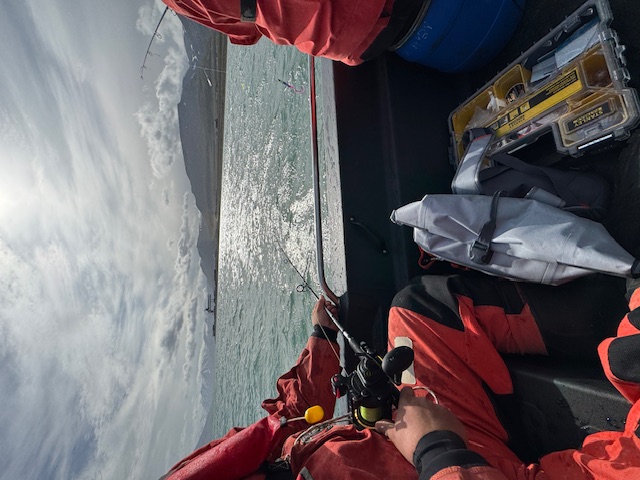
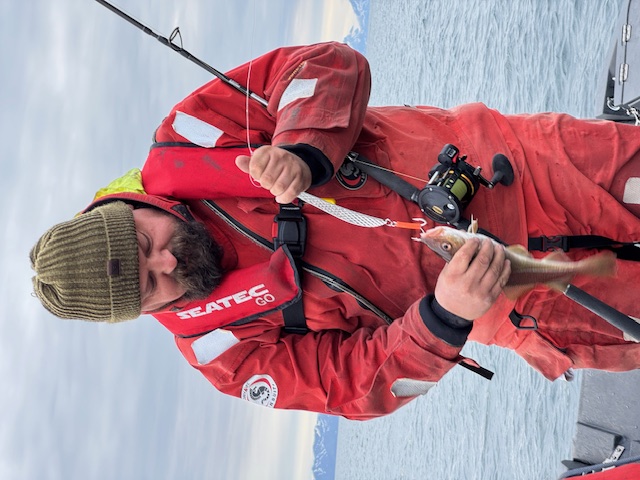
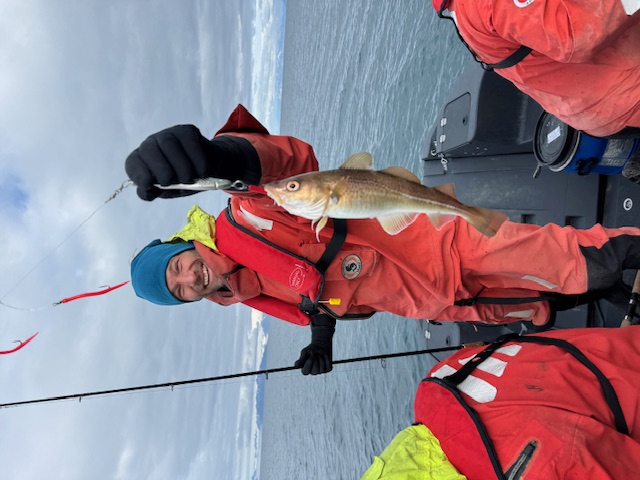
M. Komárek’s three-year project from the Faculty of Environmental Sciences, “Forever Chemicals in the Food Chain: Lessons from Remote Areas,” began this year, and the first sampling happened in July. During all-day voyages, a dozen scientists caught cod, herring, flounder, and even rarer species such as rays, char, and wolffish using nets, fishing lines, and rods.
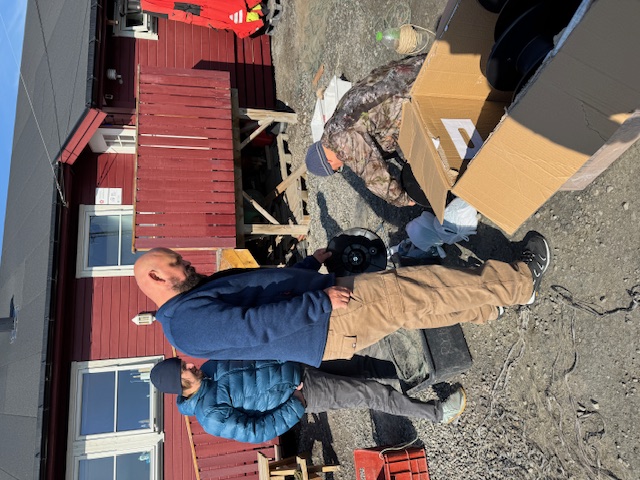
Svalbard (previously known as Spitzbergen) is a Norwegian archipelago in the Arctic Ocean. The largest town is Longyearbyen, where there is also a Czech Arctic research station, which served as a base for trips and initial processing of samples.
What happens to the samples and what information will we learn from the analyses?
“The samples are now waiting at the polar station until we obtain the necessary permits for their export. They will then be transported to our laboratory and analyzed for the presence of persistent chemicals, like thousands of similar biota samples from across Europe that we process as part of various projects,” says Jaroslav Semerád from Laboratory of Environmental Biotechnology at IMIC, a co-investigator of the project.
“The samples from the Arctic will not only provide us with information about the contamination of the most remote areas of the world with anthropogenic contaminants, but we will also gain valuable information about their fate in the environment. In the sparsely populated Svalbard archipelago, there are clearly defined sources of persistent chemicals, and a detailed analysis of aquatic and terrestrial ecosystems will answer questions about the spread of these toxic substances through water and, for example, snow.“

During this period, you experience a polar day in Svalbard, meaning that the Sun does not set.
How did you find working there?
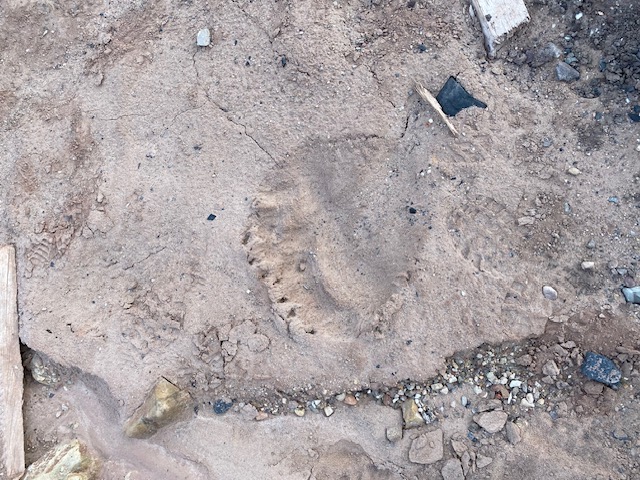
“As the Sun never sets, you have no idea when the day ends. There were days when samples were collected or processed from morning until late evening. It was not unusual for us to return from fishing trips after midnight – but still in daylight. The advantage of the never-ending day was that we could accomplish in one week what would normally take two. You also feel somehow safer when you can see your surroundings in this country,” says Jaroslav Semerád.
Photos (Jaroslav Semerád, IMIC CAS)






Project: Forever Chemicals in the Food Chain: Lessons from Remote Areas is supported by Czech Science Foundation (2025-2027)
Please be advised that the IMIC CAS is changing its email addresses.
The new email address follows this format: “”
The original “@biomed.cas.cz” address on the website will be updated shortly.