25. 11. 2025


For decades, IL-2-based cancer therapies have focused on avoiding stimulation of regulatory T cells by targeting the intermediate-affinity IL-2 receptor.
IMIC scientists overturns this paradigm.

A new paper in Journal for ImmunoTherapy of Cancer challenges a long-standing paradigm in IL-2-based cancer therapy. Until now, most therapeutic strategies were designed to avoid stimulating regulatory T cells by targeting the intermediate-affinity IL-2 receptor. Researchers from the Laboratory of Tumor Immunology MBÚ and their collaborators from Johns Hopkins University (Maryland, USA) have now shown that the opposite approach can be highly effective: IL-2 complexes and immunocytokines that stimulate the high-affinity IL-2 receptor (CD25-biased) achieve profound antitumor effects without causing toxicity.
The study further reveals that treatment timing is critical. When CD25-biased IL-2 is administered after immune checkpoint inhibitors, it potently boosts the activity of tumor-specific CD8+ T cells, overcomes regulatory T cell suppression, and can eradicate even large established tumors in mice. These results not only overturn conventional thinking about IL-2 therapeutics but also provide a clear translational path for safer and more effective combination immunotherapies.
HIGHLIGHTS
PUBLICATION
Kilic IB, Weberova P, VanDyke D, Sirova M, Kubesova K, Fabilane CS, et al. Temporal optimization of CD25-biased IL-2 agonists and immune checkpoint blockade leads to synergistic anticancer activity despite robust regulatory T cell expansion. Journal for ImmunoTherapy of Cancer. 2025;13:e010465. https://doi.org/10.1136/jitc-2024-010465

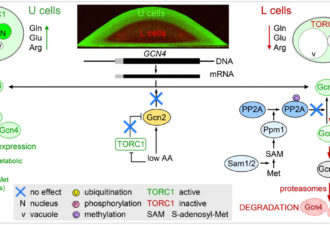
Graphical abstract; Kilic IB, Weberova P, VanDyke D, Sirova M, Kubesova K, Fabilane CS, et al. Temporal optimization of CD25-biased IL-2 agonists and immune checkpoint blockade leads to synergistic anticancer activity despite robust regulatory T cell expansion. Journal for ImmunoTherapy of Cancer. 2025;13:e010465.
Please be advised that the IMIC CAS is changing its email addresses.
The new email address follows this format: “”
The original “@biomed.cas.cz” address on the website will be updated shortly.