
FEMS Microbiology Reviews. 2026; 50); fuaf065
Infection Biology
Kamanová LAB
In our laboratory, we study bacterial pathogenesis with the goal of elucidating the processes by which bacteria initiate infection, colonize the host, and cause disease. We focus particularly on the effectors of the type III secretion system, whose function is often compared to a miniature syringe. Once these effectors are injected from the bacterium into the target cell of the host organism, they disrupt the internal processes of the cell and defenses of the host. Our research is dedicated to uncovering the mechanisms of this subversion. We are interested in how the effectors act on host cells and what are the functional consequences of their binding and enzymatic activities.

« Swipe to view more bookmarks »

Life is shaped by interactions, and one of them is the relationship between bacteria and their hosts. Our laboratory studies how Gram-negative pathogens use specialized secretion systems to manipulate the responses of their hosts and survive in different environments.
read more
The Bordetella species, B. pertussis, B. parapertussis, and B. bronchiseptica, the so-called classical bordetellae cause respiratory infections in diverse mammals, although they differ in their host range and disease manifestations.
read more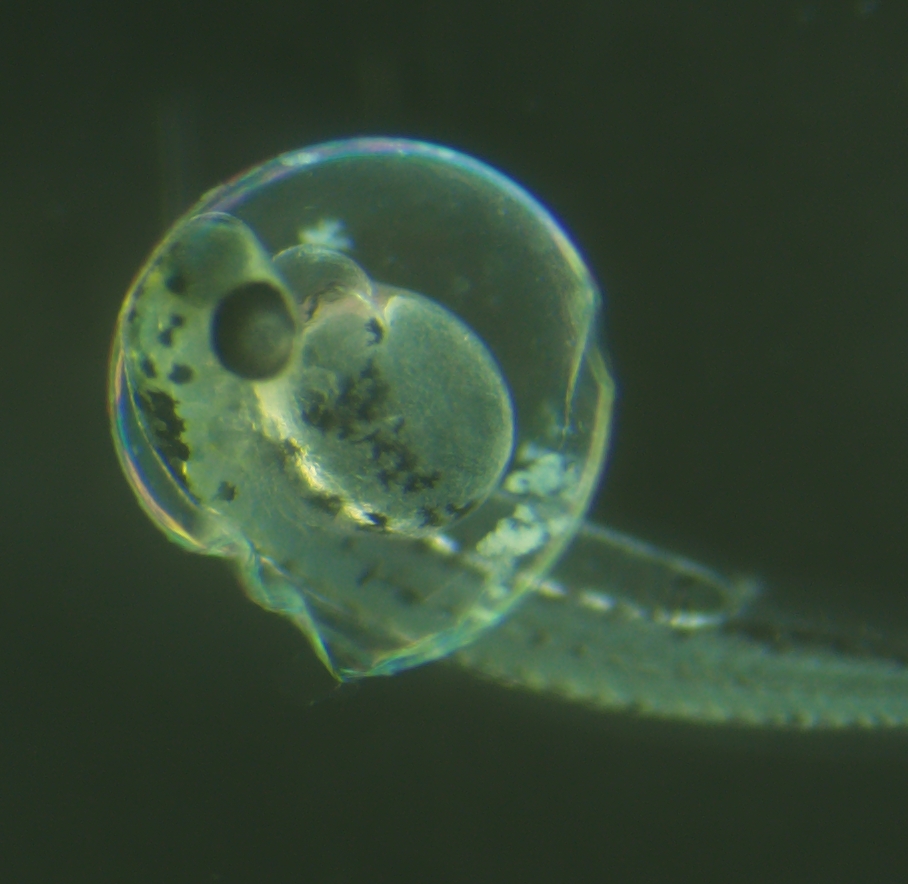
Members of the genus Aeromonas are ubiquitous bacteria that are generally associated with aquatic environments and form long-term mutualistic relationships in the gastrointestinal tract of fish and leeches.
read moreOur Publications
mSphere. 2025; 10(6); e00189-25
Highlights of the 14th International Bordetella Symposium
Our Team
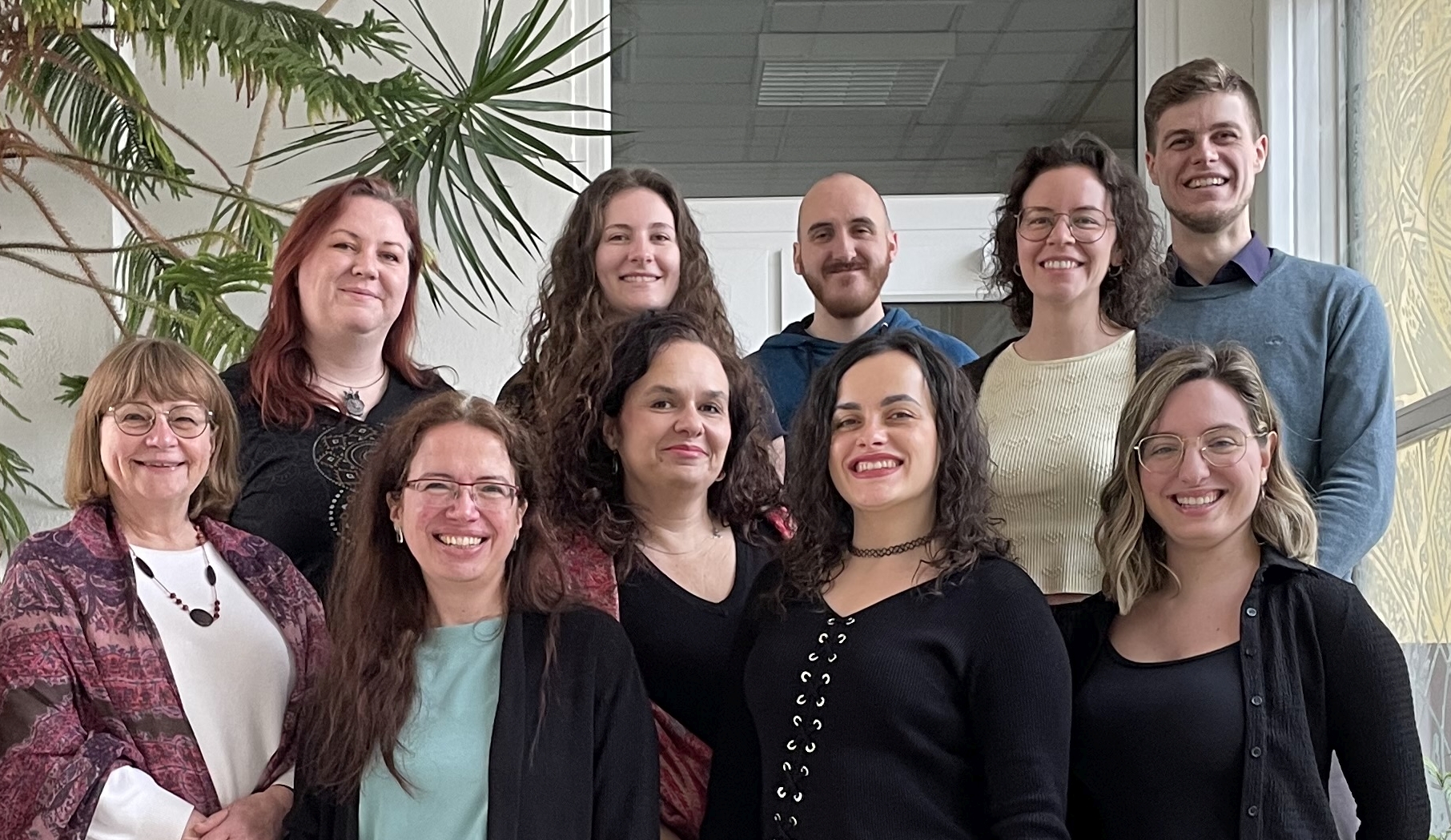
Meet the members of our Infection Biology Laboratory team
Kamanová Lab